GPHA Board Led by Asiedu Nketia Inspects Major Fishing Hubs and Health Facilities

This blog is managed by the content creator and not GhanaWeb, its affiliates, or employees. Advertising on this blog requires a minimum of GH₵50 a week. Contact the blog owner with any queries.
Neo Report Blog of Saturday, 24 January 2026
Source: Obeng Samuel
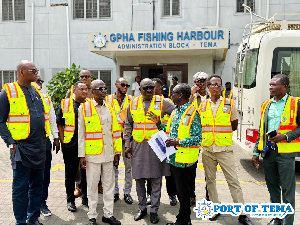
The newly inaugurated Governing Board of the Ghana Ports and Harbours Authority (GPHA) has concluded a high-level working visit to key operational sites in Tema and Accra.
Led by Board Chairman Mr. Johnson Asiedu Nketia, the delegation spent Wednesday, January 21, touring the James Town and Tema Fishing Harbours, alongside the Authority’s premier health facilities, to assess infrastructure and operational efficiency.
Familiarization and Strategy
The tour served as a familiarization exercise for the board members, providing them with firsthand insight into the daily activities of the GPHA’s various units. At each stop, management teams delivered detailed briefings on their mandates, current accomplishments, and long-term development strategies.
Chairman Asiedu Nketia commended the management teams for their dedication and reiterated the board’s commitment to providing the necessary policy guidance to maximize the potential of GPHA’s assets.
Key Sites Visited:
James Town Fishing Harbour: The board reviewed the progress and local impact of operations at the historic facility.
Tema Fishing Harbour: The team inspected the GPHA Health Post and broader dockside activities.
International Maritime Hospital (IMaH): A major focus was placed on GPHA’s healthcare investments, ensuring they meet world-class standards for maritime staff and the general public.
Strengthening Ghana’s Maritime Future
This visit comes as part of a broader government push to transform Ghana’s transport and logistics sector into a 24-hour economy. Mr. Asiedu Nketia emphasized that these inspections are vital for identifying operational bottlenecks and ensuring that GPHA facilities contribute effectively to national development.
The board is expected to use the findings from this tour to refine policies aimed at reducing the cost of doing business at the ports and enhancing service delivery across its medical subsidiaries.
#GPHA #AsieduNketia #GhanaMaritime #JamesTown #TemaPort #IMaH #GhanaNews
neoreportgh.com
[email protected]
 WhatsApp